The Way Things Are ⎮ Nnenna Okore
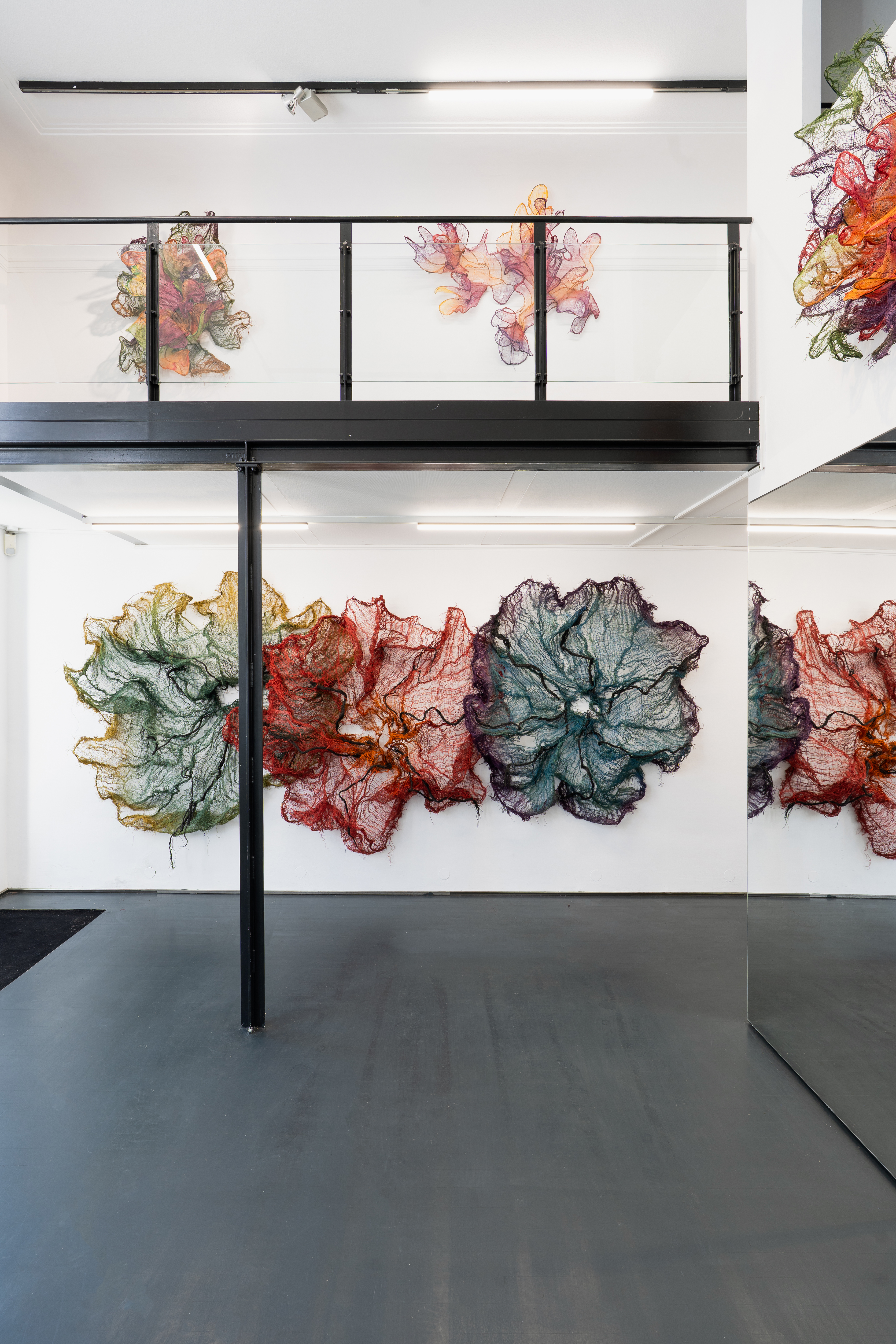
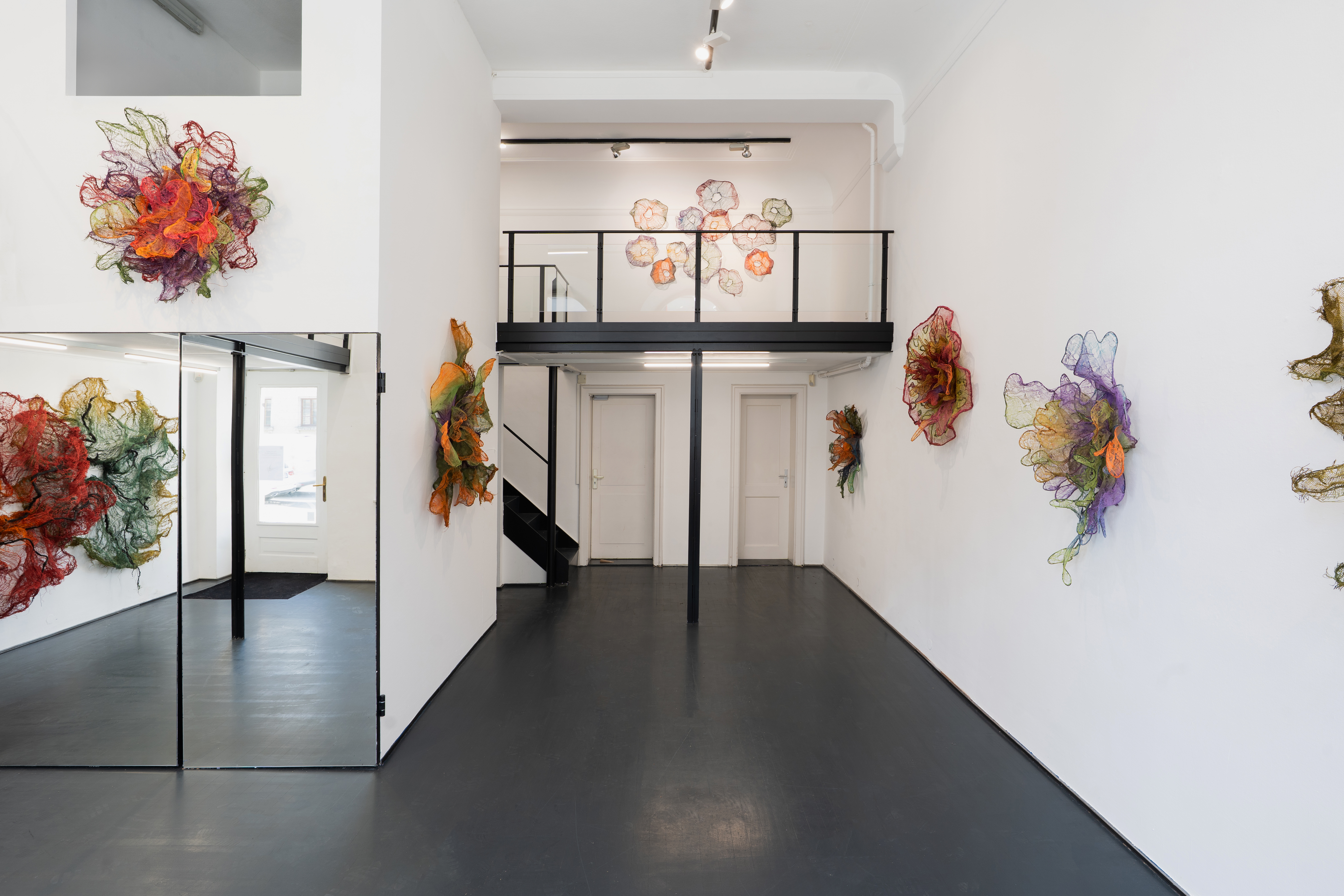
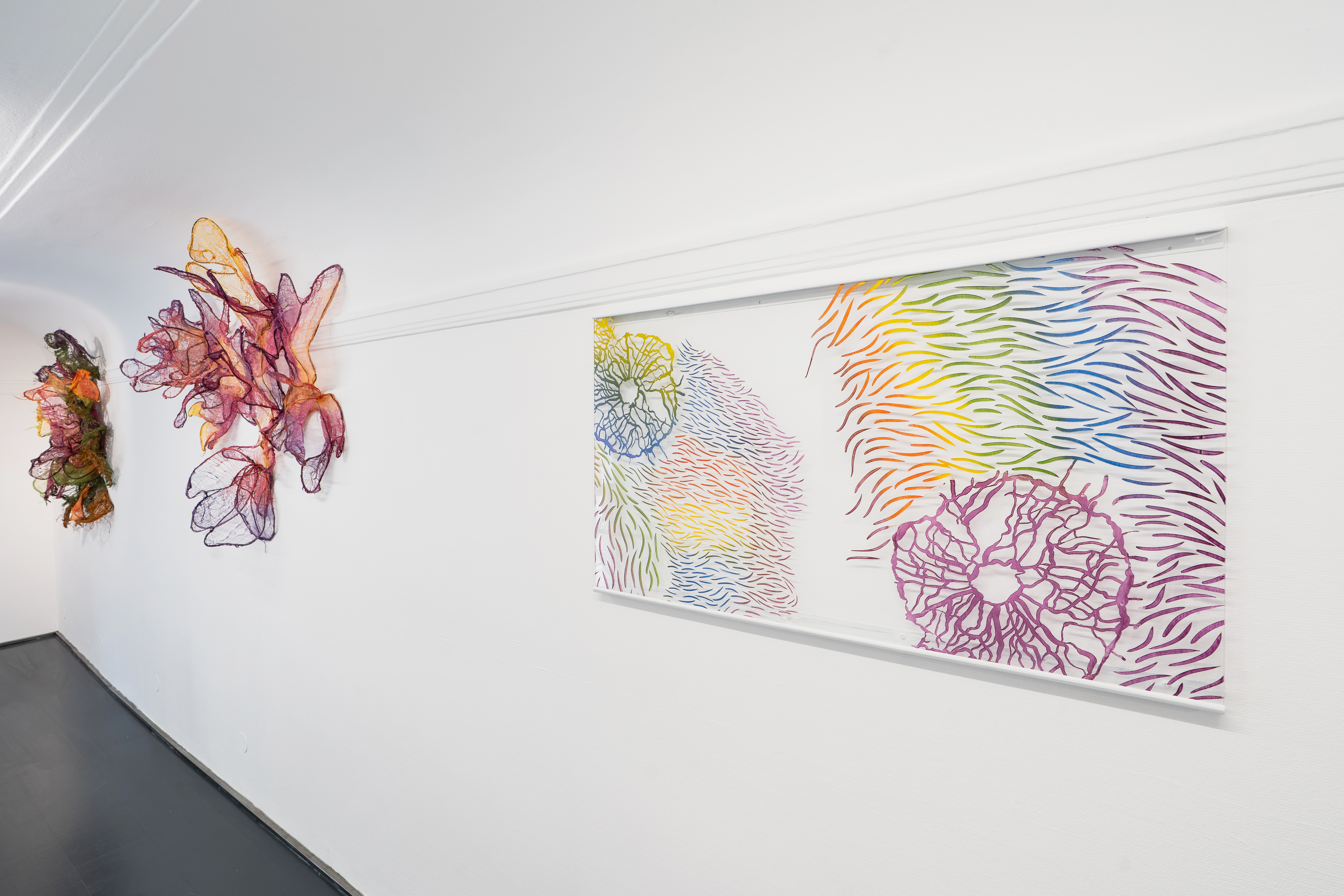
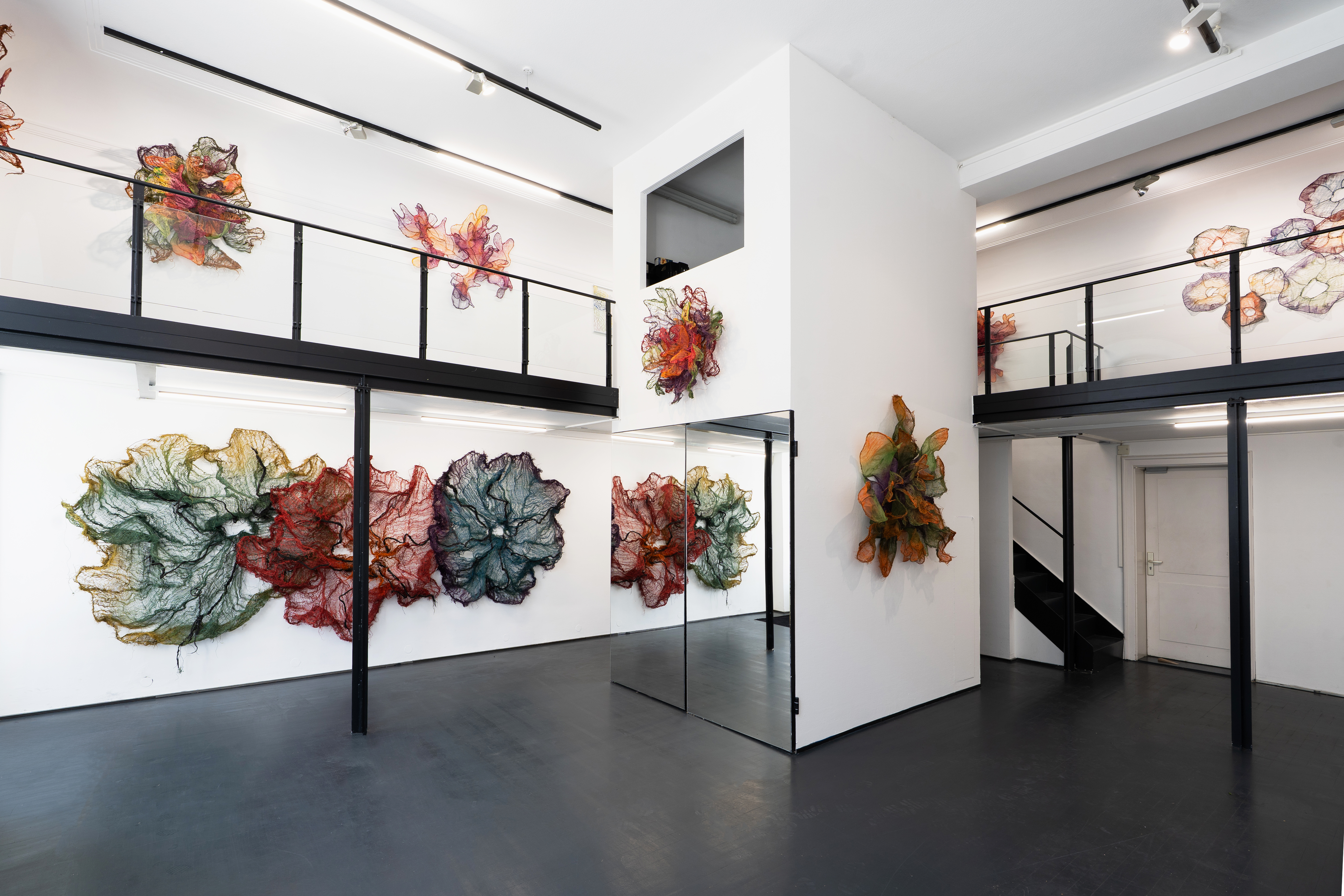
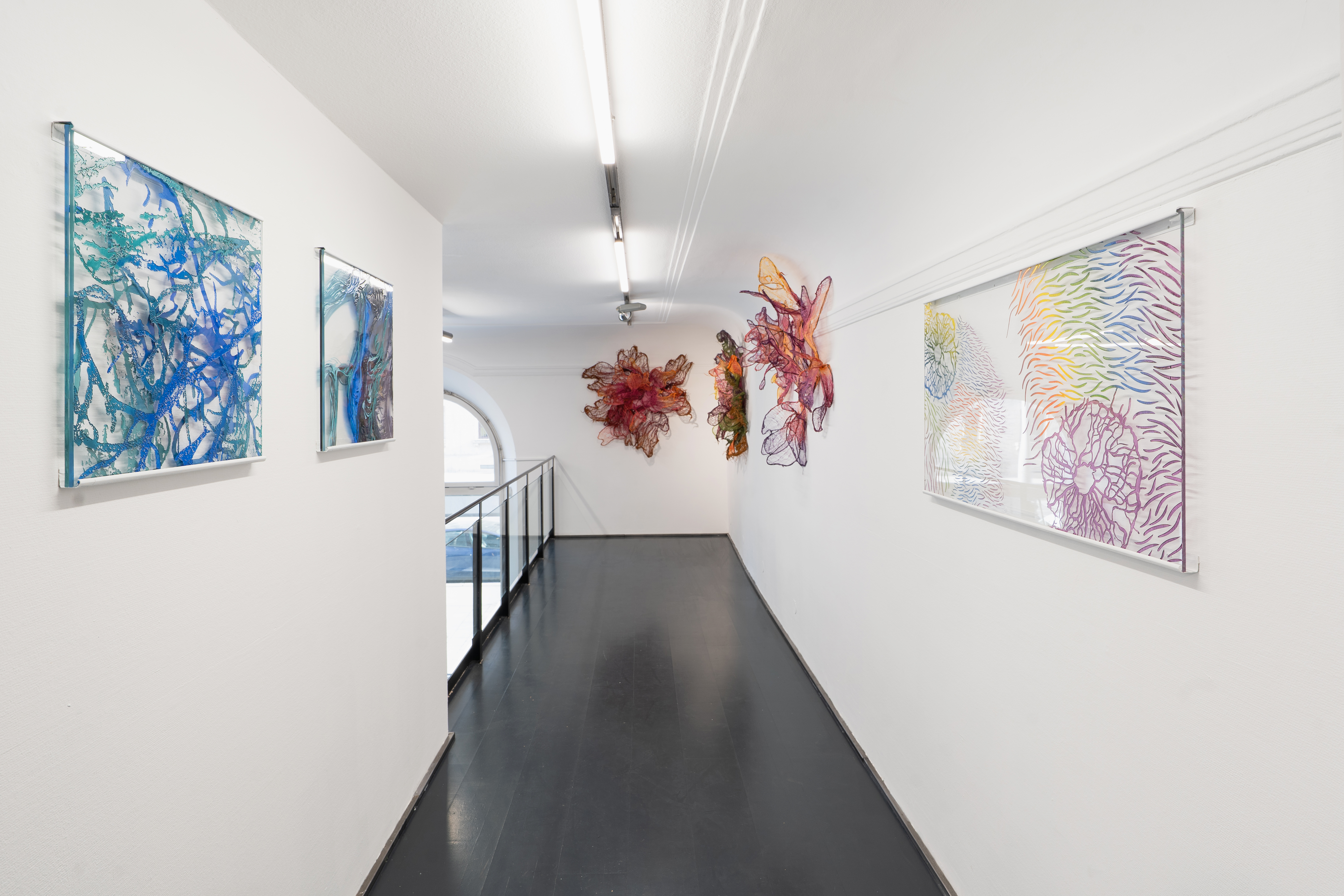
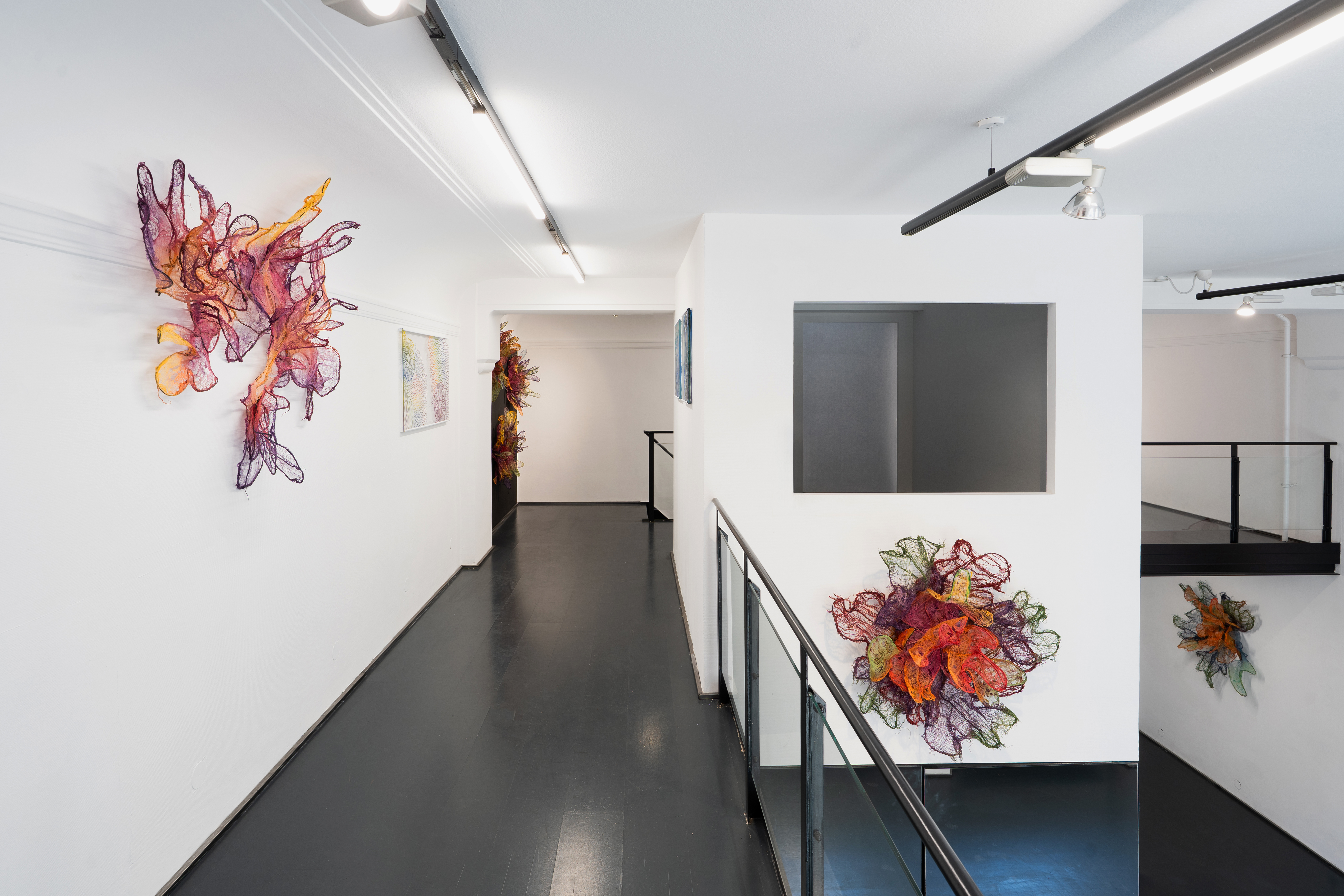
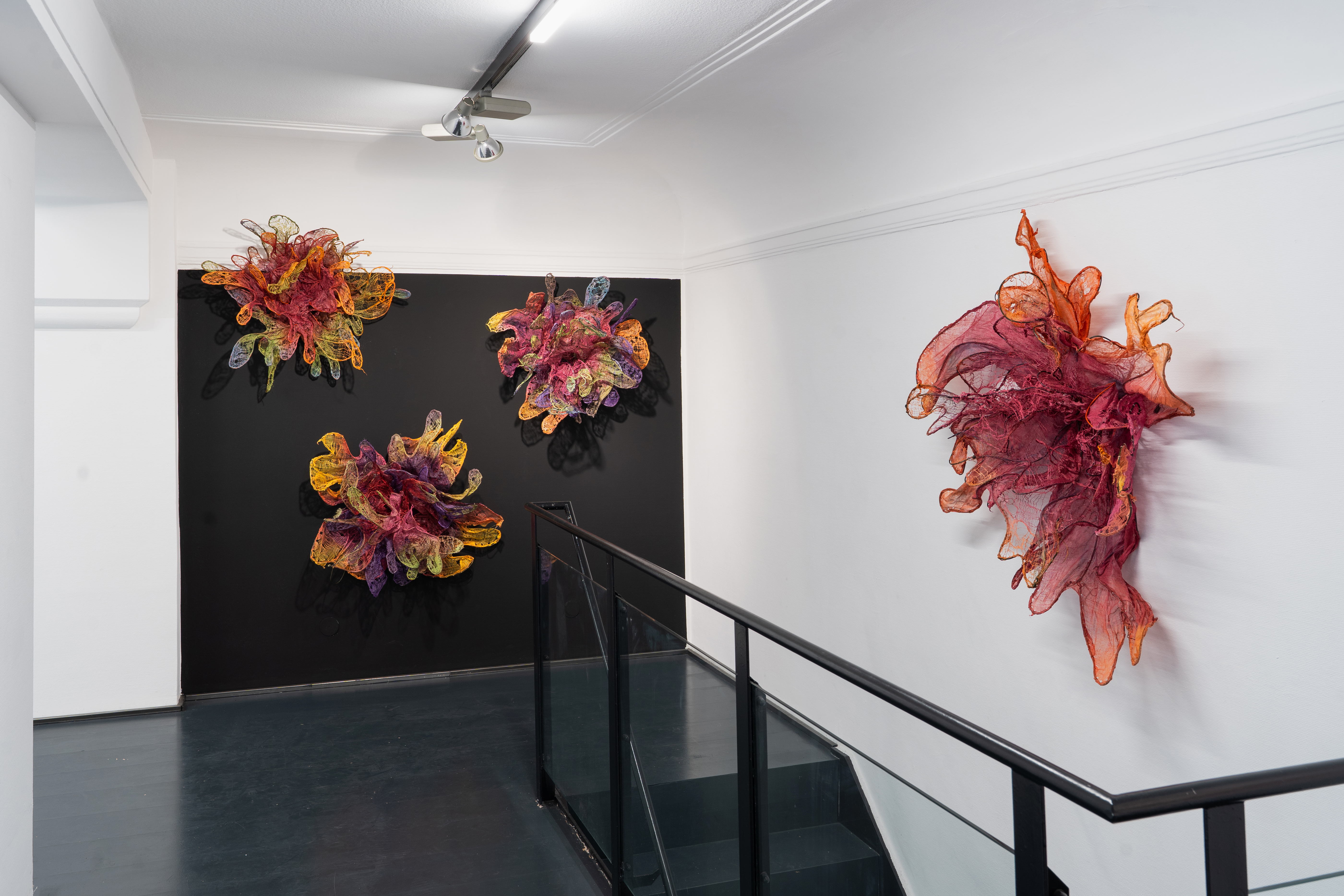
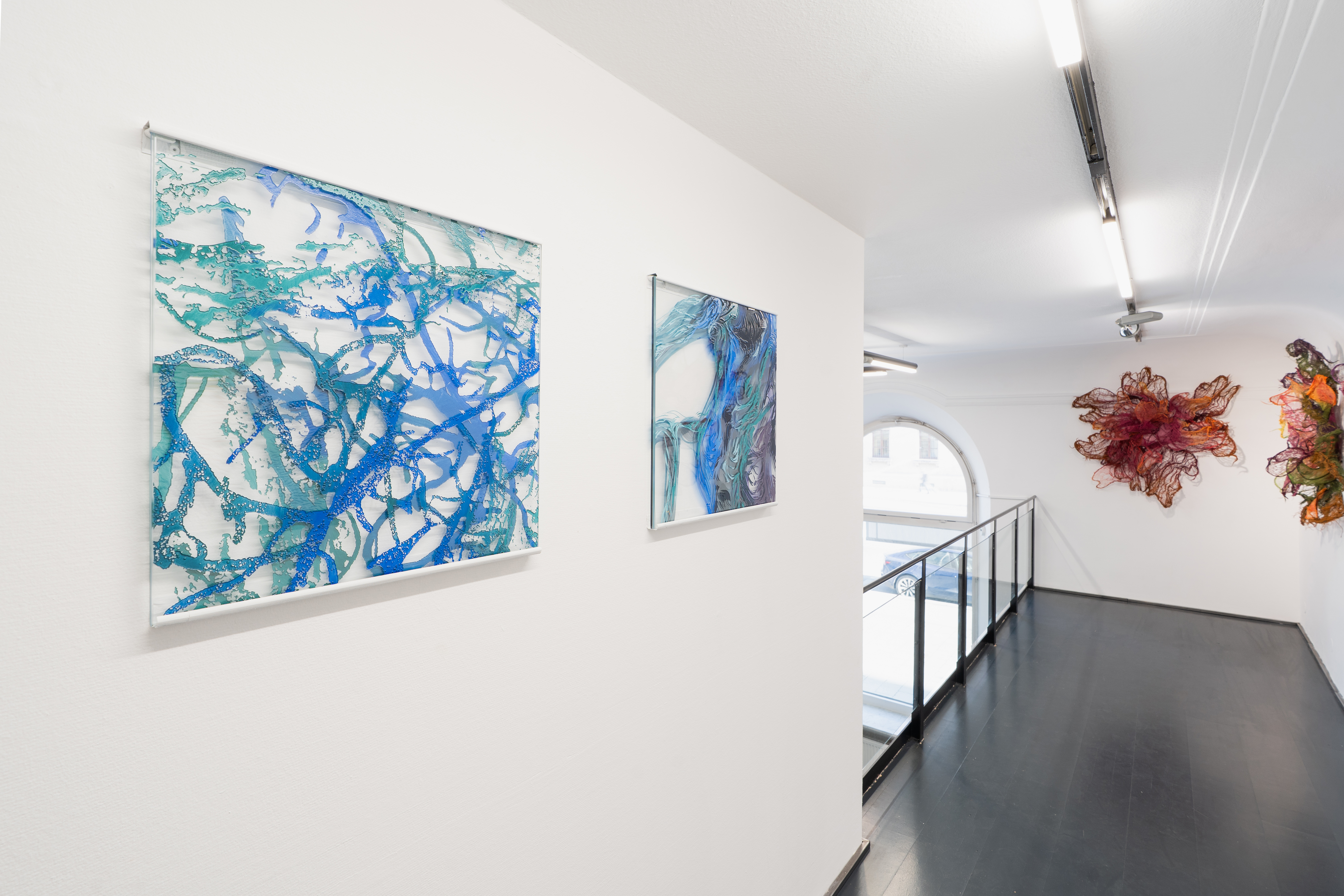
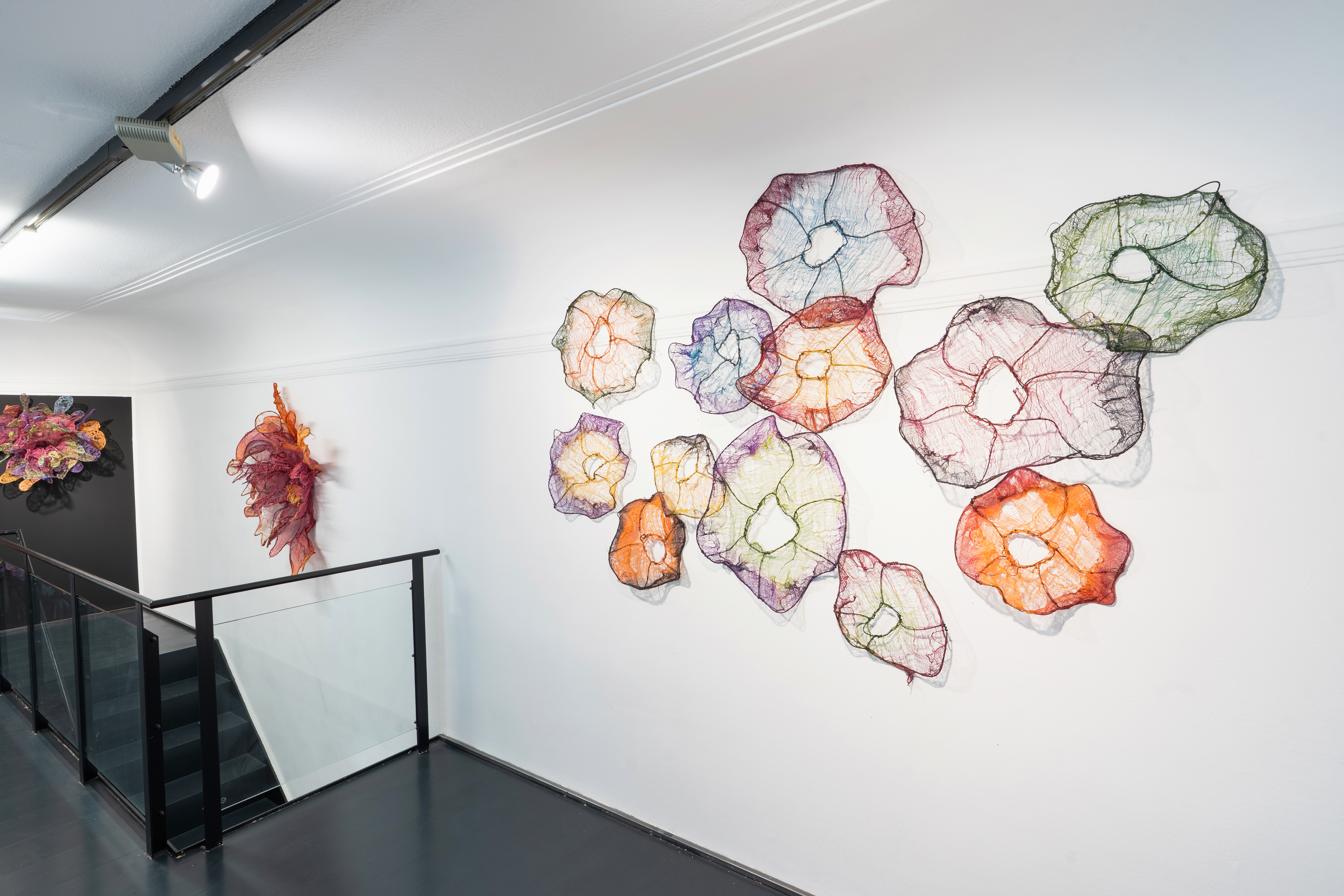
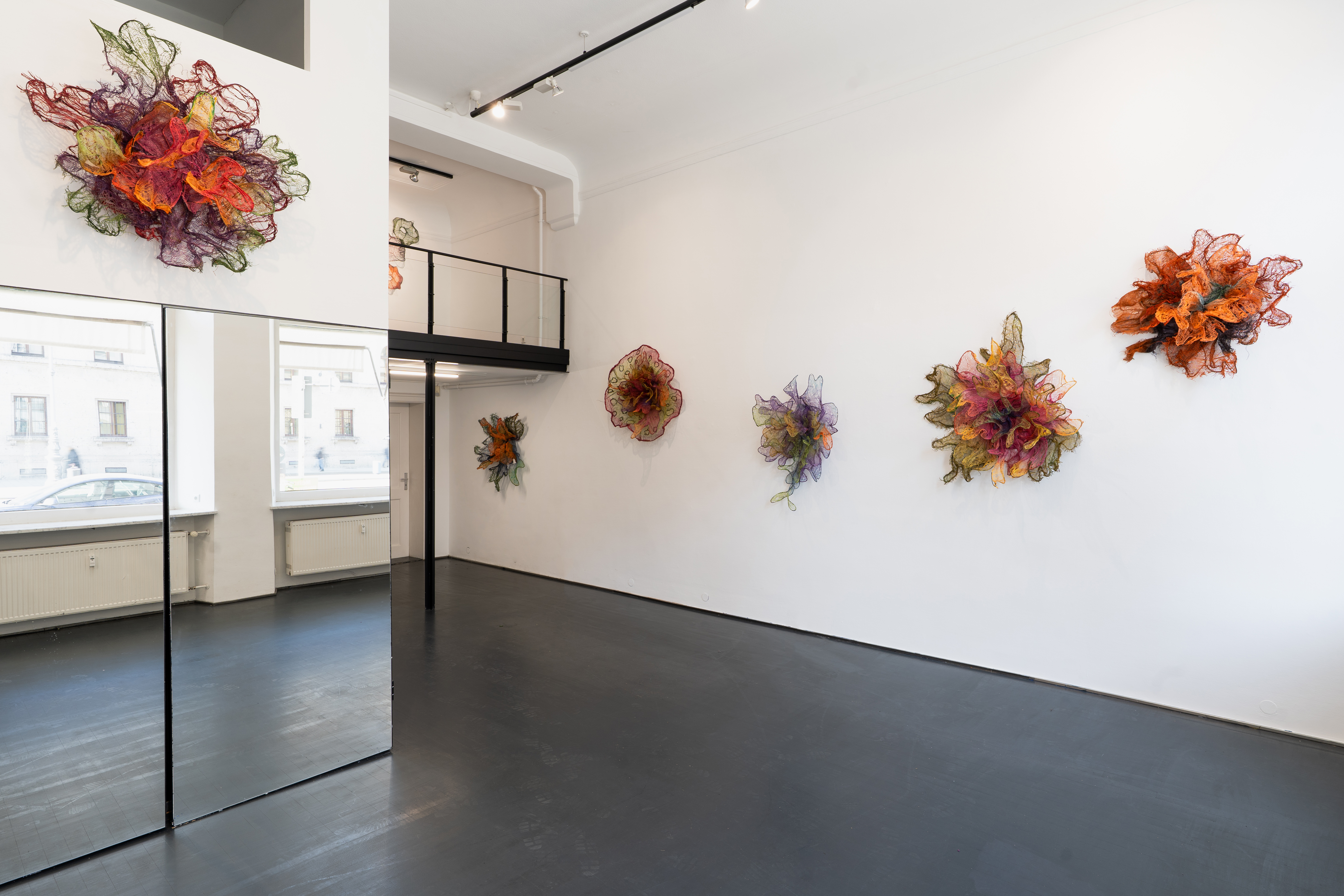
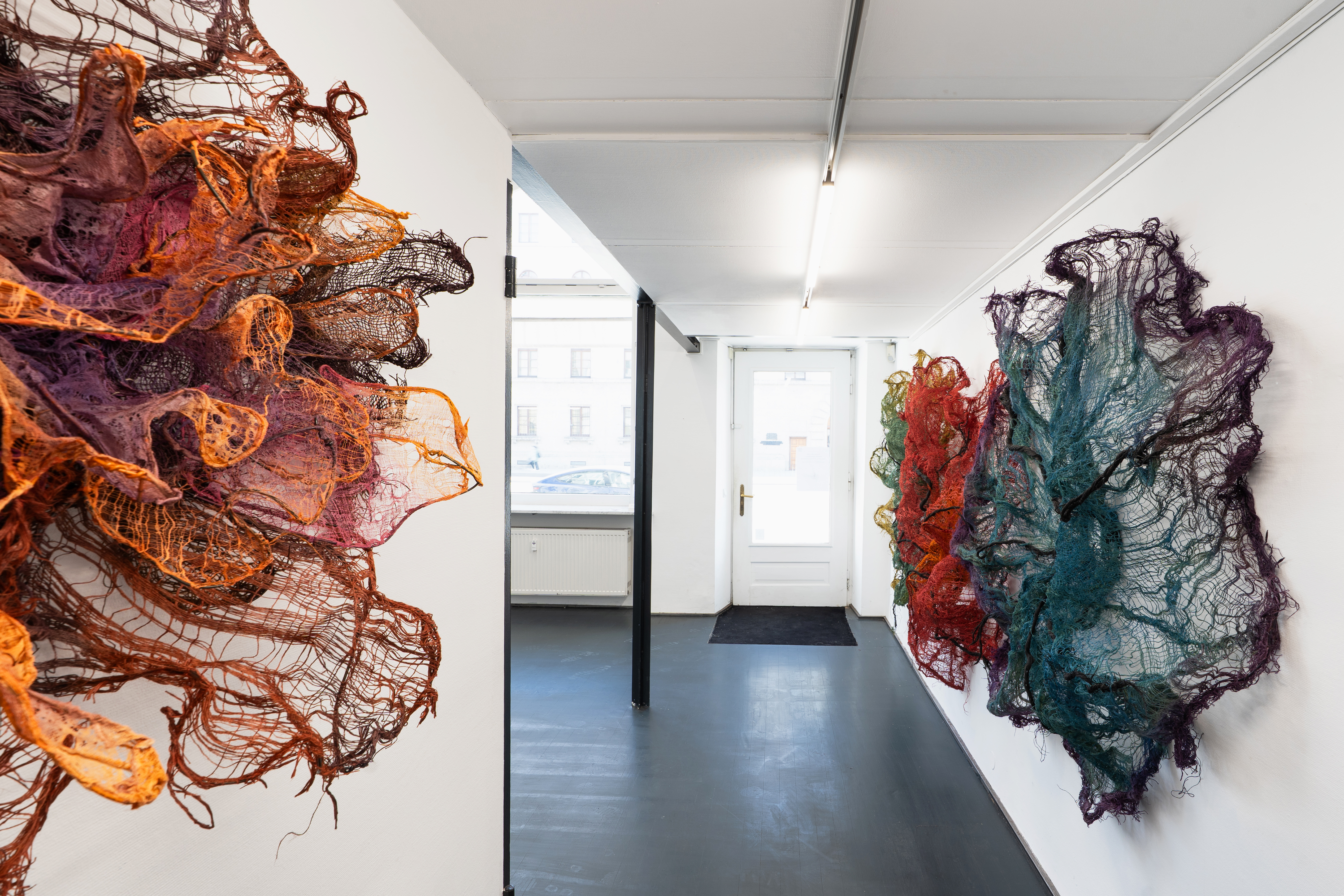
Through processes of weaving, fraying, tattering, and dyeing, the works in The Way Things Are interrogate and reimagine what it means to be interconnected and interdependent with plant life. Using materials such as jute, burlap, and cheesecloth, Okore constructs texturally rich floral forms. These serve as reminders of human temporality and ecological vulnerability. Defined by their expressive reach, flexing, folding, and unfolding, their tactile surfaces embody and activate sensations of movement and growth. Rooted in ideas of ecological connection and human interdependence, the work emphasizes the inseparable relationship humans have with the natural world. Through this body of work, we are reminded to act in the face of complacency or indifference to the well-being of plant life. Plants are the lifeline of living things. They reflect who we are, as humans, and what we become. They embody cycles of living, dying, decay, and renewal. They mirror our own fragile existence. In this sense, plants are our closest kin and can teach us something about care, humility, and respect.
"I am interested in expressing the beauty of life and death. Flora, the symbol that I use repeatedly in my work, represents the journey of life. In its lifespan, the flower experiences a flourishing climax followed by a series of deflation. It embodies the fleeting nature of existence. I therefore strive to celebrate the beauty of life while it lasts. Even after it fades away, another bloom will come in the form of a new birth, \[and] tomorrow, the sunlight. I am astounded by nature’s ability to regenerate. Death will always give way to birth, as the cosmic laws have ordained." Nnenna Okore (in an interview with Emily Spicer, 2017)
Nnenna Okore (*1975 Canberra, AUS, based in Chicago/USA)was born in Australia, raised in Nigeria, and works in the United States. She is a Professor of Art at Chicago’s North Park University. During her undergraduate studies at the University of Nigeria, she studied and mentored under El Anatsui, who had a retrospective solo exhibition at the Haus der Kunst in 2019. Okore’s work focuses on ecological issues steeped in artistic practice, pedagogy, and social engagements throughout her long career as an artist-researcher-teacher. As a Chicago art practitioner, Okore has participated in numerous participatory art projects and exhibitions designed to produce dialogue, artmaking, and an awareness of current environmental issues. In her creative processes, she uses environmentally friendly materials, such as natural dyes, fibers, fabrics, and bioplastics. Okore is passionate about dialogue on ecological issues and is currently involved in collaborative environmental projects across Nigeria, Australia, and the United States. Nnenna Okore, whose work continues to shape global conversations in contemporary art, has recently completed a major site-specific installation, Between Earth and Sky, at the Royal Botanic Gardens, Kew, London. Her monumental glass work, (304x853 cm, hand painted glass)— produced by Mayer’sche Hofkunstanstalt, Munich — was recently commissioned and unveiled by the Illinois Environmental Protection Agency, USA. An additional large-scale glass installation (hand painted glass) in Baltimore, USA, will be unveiled later this year.
Julia Milberger